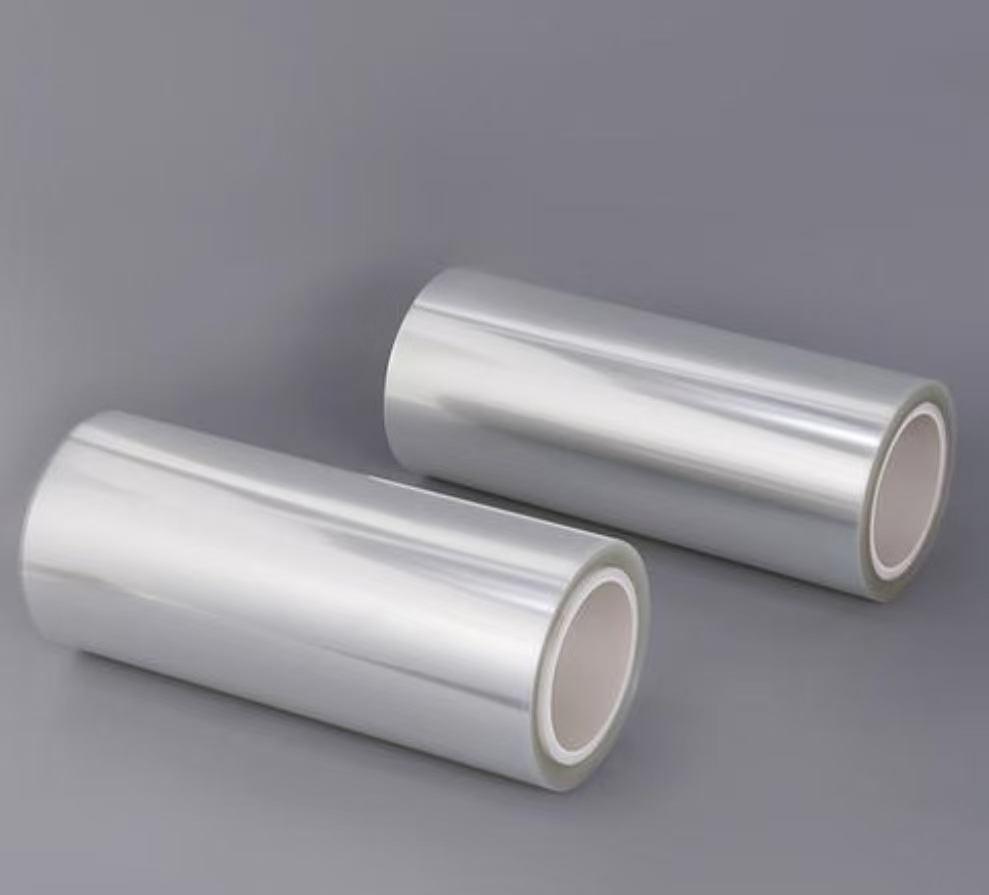
Flame Retardant PET Film Applications: From Electronics to Industrial Safety
PET film has become an essential material across various industries due to its strength, chemical resistance, and processability. However, its inherent flammability poses challenges, especially in sectors where fire safety is non-negotiable. The emergence of flame retardant PET film applications has addressed this gap, enabling PET to enter critical end-use markets such as electronics, automotive, and construction. This article explores the most impactful applications of flame-retardant PET film and the key requirements for each sector.
1. Electronics and Electrical Insulation
In the electronics industry, PET film is often used for:
- Flexible circuit substrates
- Cable insulation and wraps
- Battery and capacitor separators
These applications demand compliance with UL94 V-0 or IEC 60695 standards. For such high-spec environments, the best flame retardant for electronics is typically halogen-free and stable at high temperatures.
Choosing flame retardants for PET in this space also involves ensuring no interference with dielectric properties.
2. Automotive Wire and Sensor Insulation
Modern vehicles use PET film in under-hood and in-cabin components due to its chemical and temperature resistance. However, custom flame retardant PET film solutions are often required for:
- Sensor housings
- EV battery modules
- Wire harness wraps
These films must endure both vibration and temperature cycling, while meeting fire safety ratings like FMVSS 302.
3. Building and Construction
Fire codes in construction materials have become stricter. Flame retardant PET films are used in:
- Vapor barriers
- Wall coverings
- Insulation facings
In these flame retardant PET film applications, smoke suppression, anti-drip behavior, and char formation are vital. Reactive flame retardants that bond with the polymer chain are often favored here.
4. Packaging and Labeling
While often overlooked, food packaging and labeling can also require flame retardant PET for:
- Heat-sealed pouches near heat sources
- Industrial chemical labels
- Transport labels in aerospace or defense
The flame retardants used must not alter clarity, taste, or safety—hence additive systems that don’t migrate are preferred.
5. Renewable Energy Systems
In solar and wind power systems, flame-retardant PET films act as:
- Backsheet layers in solar panels
- Electrical insulators in wind turbines
Here, custom flame retardant PET film is essential, often tailored for UV resistance, electrical insulation, and fire safety.
Future Trends
As new applications emerge (e.g., foldable electronics, wearable tech), the role of advanced flame retardant PET film applications will grow. Innovations like nano-enabled flame retardants and self-extinguishing films are under active development.
Conclusion
Flame retardant PET film is a gateway material, unlocking fire-safe design in industries where PET was once considered unsuitable. From electronics to construction, customized solutions—through the right selection of additives and processing—ensure that PET continues to serve as a high-performance, fire-compliant material.
Whether you are choosing flame retardants for PET, selecting the best flame retardant for electronics, or engineering a custom flame retardant PET film, your decision directly impacts the safety and success of the final product.
SEO Keywords:
flame retardant PET film applications, best flame retardant for electronics, choosing flame retardants for PET, custom flame retardant PET film, industrial PET flame retardant, PET insulation film
READ MORE:


